Real estate value doesn’t grow randomly. It follows development and at the center of that development are infrastructure projects, the kind people often ignore until prices suddenly jump and entry becomes difficult.
When a new road opens, when a bridge connects two areas, or when a hospital is built, real estate reacts almost immediately. Land prices adjust. Demand rises. Locations that once felt distant suddenly feel accessible.
This is how property value is created.
Why Infrastructure Projects Matter More
Many people think real estate value comes from popularity. In reality, it comes from usefulness. Infrastructure projects make a location easier to live in, easier to work from, and easier to invest in.
A good road cuts travel time. A bridge opens access. A hospital adds security and stability. These changes don’t just improve daily life; they change how people see an area. And perception is powerful in real estate.
Once infrastructure appears, developers follow. Businesses move in. Housing demand grows. Prices respond.
Roads and Access Change Everything
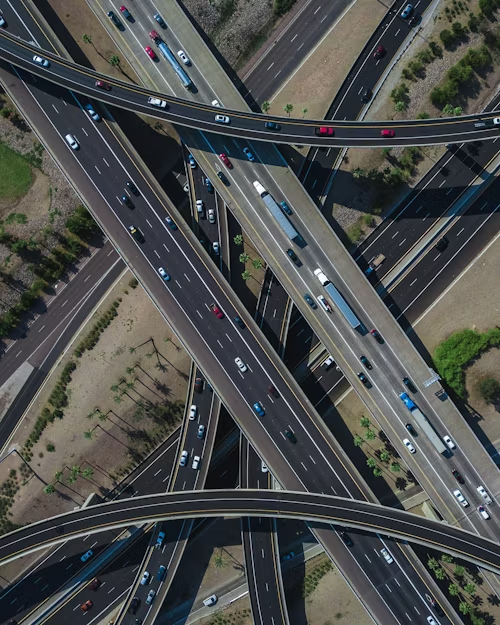
Road networks are often the first signal of growth. An area that used to feel “far” suddenly becomes reachable. What was once a quiet stretch of land becomes a daily route.
This is why property values near new or improved roads rise faster than surrounding areas. Access reduces stress, saves time, and attracts residents. Investors understand this, which is why land around major road projects rarely stays affordable for long.
In many parts of the South East, road expansion has reshaped property demand. Areas once overlooked are now attracting buyers simply because movement has become easier.
Bridges, Connectivity, and Demand
Bridges don’t just connect places; they connect opportunities. When a bridge links two locations, it reduces isolation and increases activity. People move freely. Businesses expand their reach. Residential demand increases.
Property value rises not because the bridge looks impressive, but because it changes daily movement patterns. Locations that gain connectivity often experience a steady rise in land demand long before full development is complete.
This pattern has played out repeatedly across growing regions.
Hospitals and Social Infrastructure
Hospitals are often underrated in real estate. But for families, retirees, and long-term residents, access to healthcare matters deeply.
When hospitals are built or upgraded, they signal permanence. People feel safer settling nearby. Residential estates gain credibility. Investors see stability. Schools, healthcare facilities, and public services all add weight to a location. They tell buyers that an area isn’t temporary, it’s being planned for the long run.
Infrastructure Projects and the Rise of Smaller Cities
This is one reason smaller cities are becoming attractive for real estate investment. Infrastructure projects tend to have a bigger impact there.
In large cities, development is expected. In smaller cities, it’s transformational. When infrastructure arrives early in a developing city, property values respond faster because entry prices are still low. Investors who move early benefit from growth that hasn’t been priced in yet.
The Southeast and the Shift Toward Enugu
Across the South East, infrastructure development is slowly reshaping real estate demand. Enugu stands out in this shift.
The city combines livability with ongoing development. Road improvements, residential expansion, and social infrastructure are gradually changing how people view property ownership in the area.
Enugu is no longer just a place to live; it’s becoming a place to invest. What makes this moment important is timing. Infrastructure projects are laying the foundation, but property prices haven’t peaked. That gap is where opportunity exists.
Where Viva-Gold and Royal Garden & Resort Fit In
Infrastructure alone doesn’t create value unless development follows it properly. That’s where structured real estate matters.
Viva-Gold Real Estate focuses on properties positioned to benefit from existing and upcoming infrastructure projects. The goal isn’t speculation. It’s alignment with access, growth, and livability.
Royal Garden & Resort reflects this thinking. It’s designed to sit within a growth path, not outside it. As surrounding infrastructure improves, the value of such developments grows naturally.
For buyers, this means owning property that doesn’t rely on hope. It relies on direction.
Infrastructure Creates the Future First
The biggest real estate gains often happen before a place becomes popular. They happen when infrastructure projects quietly reshape access, comfort, and confidence.
Roads shorten distance. Bridges open movement. Hospitals add security. Together, they shift how people live and how property is valued.
In cities like Enugu, this shift is already underway and for investors paying attention, infrastructure projects aren’t just background news. They are signals.
The smartest real estate decisions usually start with one question: what is being built around this place? Contact Viva-Gold Real Estate to make the best decision.