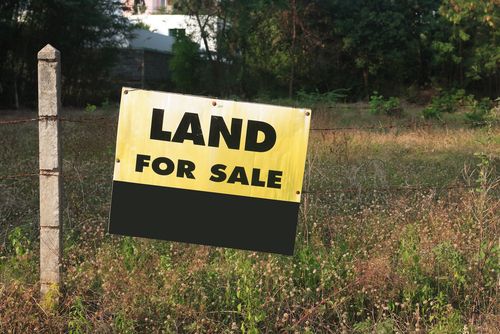
Nigerian property platforms have made land and property searching more accessible than ever before. From the comfort of a phone screen, a buyer in London, Lagos, or Enugu can browse hundreds of listings, compare prices across locations, and contact sellers within minutes. The convenience is genuine and the reach is remarkable.
The problem is that the same accessibility that makes these platforms useful for legitimate buyers and sellers also makes them attractive to fraudsters. Fake real estate listings on Nigerian property platforms are not rare occurrences. They are a consistent, deliberate feature of the online property landscape, designed to separate unsuspecting buyers from their money before the deception becomes apparent.
Understanding how to identify a fake listing before you engage with it is one of the most practically valuable things any property buyer in Nigeria can learn. The signs are recognizable once you know what to look for.
Signs You Should Check
Prices That Are Significantly Below Market Value
The most reliable indicator of a fraudulent listing is a price that is dramatically lower than comparable properties in the same area. Fraudsters use below-market pricing deliberately because it creates urgency. A buyer who sees land priced at what appears to be a remarkable bargain is more likely to act quickly, ask fewer questions, and skip verification steps that would otherwise protect them.
Before engaging with any listing, spend time understanding the realistic market price range for land in the area being advertised. If a listing is priced at fifty or sixty percent below what comparable properties in the same location are selling for, that gap is not a deal. It is a warning. Genuine sellers in growing markets like Enugu do not give away land at prices that make no financial sense. Fraudsters do, because the price is not the point. Your payment is.
Vague or Inconsistent Location Information
Legitimate property listings contain specific, verifiable location information. They name the estate, the street, the landmarks nearby, and the local government area. They provide enough detail that an interested buyer can independently verify the existence and general character of the location being described.
Fake listings tend to be deliberately vague about location. They use broad area descriptions that are difficult to verify, reference landmarks that sound plausible but do not exist, or provide addresses that are inconsistent between the listing description and the contact information provided. Sometimes the location photographs are stock images or images taken from another property entirely and used without permission.
When a listing cannot give you specific, verifiable location details, that absence of specificity is meaningful. A genuine seller of land in Enugu can tell you exactly where the land is, which landmarks surround it, and how to get there for a site inspection. A fraudster cannot, because there is no real land to describe.
No Physical Office or Verifiable Developer Presence
Fraudulent listings almost always direct interested buyers to contact individuals through personal phone numbers or messaging apps with no reference to a physical business address, company registration, or verifiable developer presence. The entire operation exists in digital space with no physical anchor that can be visited, verified, or held accountable.
Legitimate developers in Nigeria operate from physical offices. They have verifiable addresses, registered business names, professional websites, and teams of people who can be met in person. Viva-Gold Real Estate, for example, operates from 7 College Road, New Layout, Enugu. Their phone numbers are publicly listed. Their website is active and detailed. Their social media presence is consistent and verifiable. You can walk into their office, meet their team, and ask every question you have before committing a single naira.
That kind of verifiable physical presence is not something a fraudster can replicate convincingly. When a listing connects you only to a personal WhatsApp number and nothing else, the absence of a verifiable business identity is a significant red flag.
Tired of unverified listings? Viva-Gold Real Estate offers fully documented, verifiable land in Enugu with a physical office you can visit.
Call or WhatsApp: +234 813 221 5202 | vivagoldrealestate.com
Pressure to Pay Quickly Without Due Diligence
Fraudulent sellers create artificial urgency. They tell you that other buyers are interested and the land will be gone by the weekend. They offer a special discount that expires in twenty-four hours. They suggest that taking time to verify documents or visit the site is unnecessary because the deal is trustworthy and time is short.
This pressure is a deliberate tactic designed to short-circuit the verification process that would expose the fraud. Genuine sellers with genuine land do not need to pressure buyers into making rushed decisions. They welcome due diligence because their documentation is clean, their land is real, and a site inspection will confirm rather than undermine their offer.
Any seller who discourages verification, creates urgency around payment, or suggests that documentation review is unnecessary is not a seller worth engaging with regardless of how attractive the listing appears.
Photographs That Do Not Match the Described Property
With the widespread availability of image search technology, verifying property photographs has become more accessible than many buyers realize. Images used in fake listings are often taken from other properties, other estates, or even other countries entirely, and can be identified through a reverse image search on Google or similar tools.
When a listing uses photographs that appear on multiple different websites, or that can be traced back to a property in a completely different location, the listing is not genuine. Genuine property listings use original photographs of the actual land being sold, and a credible developer will be happy to provide additional photographs, video walkthroughs, and site inspection opportunities that confirm the images in the listing match the physical reality of the property.
Documents That Cannot Be Independently Verified
Sophisticated fraudsters sometimes go as far as producing fake documents. Forged survey plans, counterfeit allocation letters, and fabricated deeds of assignment have all been used to create the appearance of legitimacy around fraudulent property transactions.
The protection against this is independent verification rather than reliance on documents provided by the seller. A registered survey plan can be verified with the Surveyor General’s office. A land title can be verified through a land search at the land registry. A deed of assignment can be reviewed by an independent property lawyer who will identify inconsistencies that a non-expert would miss.
Viva-Gold Real Estate’s documentation across their Enugu estates including The Wealthy Place near Centenary City, Royal Court Apartments, the Transmission Company of Nigeria at Ugwuaji, and Primary Health Centre Obeagu, The Prideland in Golf Annex Phase 2 with its Government Allocation title and fully serviced infrastructure at ₦25 million, and Royal Garden and Resort, their flagship resort-style development, is prepared to withstand exactly this kind of independent scrutiny. Land Title, Land Document, Deed of Assignment, Power of Attorney, and Registered Survey Plan are all available, verifiable, and ready for independent review before any commitment is made.
Contact Information That Does Not Match the Claimed Business Identity
A listing that claims to be from a registered real estate company but provides only a personal mobile number with no matching email address, website, or business social media presence is inconsistent in a way that warrants immediate caution. Legitimate real estate companies have business contact information that is consistent across all their communications and platforms.
Cross-referencing the contact information in a listing against the publicly available information for the company being named takes only a few minutes and can immediately expose inconsistencies that indicate fraud..
Conclusion
Fake real estate listings on Nigerian property platforms are identifiable when you know what to look for. Prices far below market value, vague location information, absent physical presence, artificial urgency, unverifiable photographs, questionable documents, and inconsistent contact information are the consistent markers of fraudulent listings regardless of how professionally they are presented.
The protection against all of them is the same. Verify independently, visit physically, review documentation thoroughly, and buy from developers whose identity, address, and track record can be confirmed before you part with your money. Viva-Gold Real Estate offers exactly that in Enugu. Real land, real documentation, a real office, and a real team that welcomes every question and every verification request you bring to them.
+234 813 221 5202 | +234 901 001 0160, info@vivagoldrealestate.com, vivagoldrealestate.com | 7 College Road, New Layout, Enugu