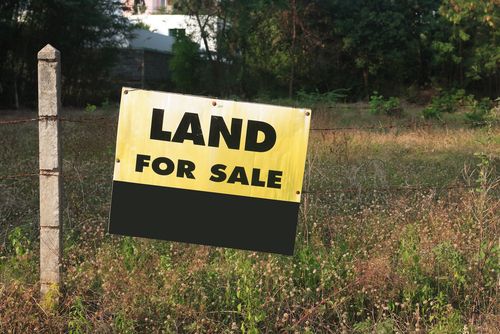

Anyone who has ever tried to buy land in Southeast Nigeria from a family or community rather than a structured developer has probably encountered a version of the same experience. The initial negotiation goes smoothly. Everyone seems agreeable. The price is settled. Then the complications begin.
A family member who was not present at the original meeting raises an objection. A community elder insists that certain protocols were not followed. Someone produces a claim that the land was already allocated to another party years earlier. What seemed like a straightforward transaction becomes something considerably more complicated.
This experience is not random bad luck. It is the direct result of how land ownership has historically been structured in Igboland and how that structure interacts, sometimes uncomfortably, with the formal legal framework that governs property transactions in Nigeria today.
Understanding this interaction is essential knowledge for any serious property buyer in Southeast Nigeria.
The Foundation of Traditional Land Tenure in Igboland
In traditional Igbo society, land was never simply an individual possession in the way that modern property law conceives of ownership. Land belonged to the community, the family lineage, or the clan, with individual members holding usufructuary rights, which means the right to use the land and benefit from it, rather than absolute ownership in the legal sense.
The family compound, the farmland, the communal spaces were all held collectively. Decisions about land were made by family heads, age grades, and community leaders whose authority derived from tradition and consensus rather than from any formal legal instrument. This system worked effectively within its own framework for generations, organizing land use and resolving disputes according to established cultural norms.
How Family Land Creates Transaction Risks
The most direct way that traditional land tenure affects property transactions in Igboland is through family land.
A significant proportion of land available for purchase in Southeast Nigeria is family land, meaning land that has been held by a family lineage across multiple generations and whose ownership is distributed among all members of that lineage rather than held by any single individual.
When a member of a family attempts to sell family land, they may have the practical control of the land and the goodwill of the immediate family members they consulted.
What they may not have is the authority of every person with a legitimate claim to that land under traditional tenure rules. Family members who were absent, not consulted, or who simply disagree with the sale can emerge after a transaction to challenge its validity.
Avoid the risks of family and community land disputes entirely. Buy fully documented, developer-structured land with Viva-Gold Real Estate in Enugu.
Call or WhatsApp: +234 813 221 5202 | vivagoldrealestate.com
Community and Communal Land Complications
Beyond family land, communal land held by entire communities presents similar but more complex challenges. Community land in Igboland is governed by community leadership structures whose composition and authority can be contested, particularly in communities where leadership succession is itself disputed.
A transaction authorized by one set of community leaders may be challenged by another faction that disputes those leaders’ authority to make decisions on the community’s behalf.
Why Developer-Structured Estates Provide the Answer
The most reliable protection against all of these traditional tenure risks is to buy land that has been properly acquired, documented, and structured by a developer who has already resolved the traditional tenure question before offering plots for sale.
When a credible developer acquires land for estate development, part of that process involves resolving the traditional tenure basis of the acquisition, obtaining the appropriate government recognition of the land through formal title instruments, and creating a clean legal chain of ownership that subsequent buyers can rely on without exposure to the family and community disputes that affect direct land purchases from traditional tenure holders.
What to Do If You Are Buying Directly From a Family or Community
For buyers who are considering purchasing land directly from a family or community rather than through a structured developer, certain precautions can reduce but cannot eliminate the traditional tenure risks described above.
Engaging a lawyer who is familiar with both the formal legal framework and the customary land tenure practices of the specific community is the first step. The lawyer can conduct due diligence that goes beyond standard land registry searches to investigate the customary tenure history of the land, identify potential claimants, and advise on the traditional protocols that should be observed to make the transaction as legitimate as possible within the community’s own framework.
Obtaining the formal consent and signatures of as many family members with legitimate traditional claims as possible, rather than relying on the authority of a single family representative, reduces the risk of subsequent challenges from undisclosed claimants.
Converting the traditional tenure basis of the land into a formal legal title through processes like excision, gazette, or formal government allocation before or as part of the transaction creates the legal paper trail that makes ownership defensible in a formal legal setting.
These precautions are significant, time-consuming, and expensive. For most buyers, the simpler, safer, and ultimately more cost-effective approach is to buy structured, formally titled
Avoid the risks of family and community land disputes entirely. Buy fully documented, developer-structured land with Viva-Gold Real Estate in Enugu.
Call or WhatsApp: +234 813 221 5202 | vivagoldrealestate.com
What to Do If You Are Buying Directly From a Family or Community
For buyers who are considering purchasing land directly from a family or community rather than through a structured developer, certain precautions can reduce but cannot eliminate the traditional tenure risks described above.
Engaging a lawyer who is familiar with both the formal legal framework and the customary land tenure practices of the specific community is the first step.
The lawyer can conduct due diligence that goes beyond standard land registry searches to investigate the customary tenure history of the land, identify potential claimants, and advise on the traditional protocols that should be observed to make the transaction as legitimate as possible within the community’s own framework.
Obtaining the formal consent and signatures of as many family members with legitimate traditional claims as possible, rather than relying on the authority of a single family representative, reduces the risk of subsequent challenges from undisclosed claimants.
Conclusion
Traditional land tenure in Igboland is a rich, complex system that has organized communities and families for generations. Its interaction with the formal legal framework governing Nigerian property transactions creates genuine risks for buyers who purchase directly from families and communities without understanding those risks or taking steps to address them.
The cleanest protection against these risks is to buy from a developer who has already resolved the traditional tenure question through proper legal acquisition and formal title documentation. Viva-Gold Real Estate does exactly that in Enugu, offering buyers the security of formally titled, completely documented land in estates where the complexities of traditional tenure have already been navigated on the buyer’s behalf.
+234 813 221 5202 | +234 901 001 0160, info@vivagoldrealestate.com
vivagoldrealestate.com | 7 College Road, New Layout, Enugu