
Of all the physical problems that can affect a piece of land in Nigeria, drainage is among the most expensive to correct and among the most damaging to long-term investment value.
A plot with poor drainage floods during rainy season, erodes over time, becomes difficult to develop, and holds its value poorly in comparison to neighboring plots that drain properly.
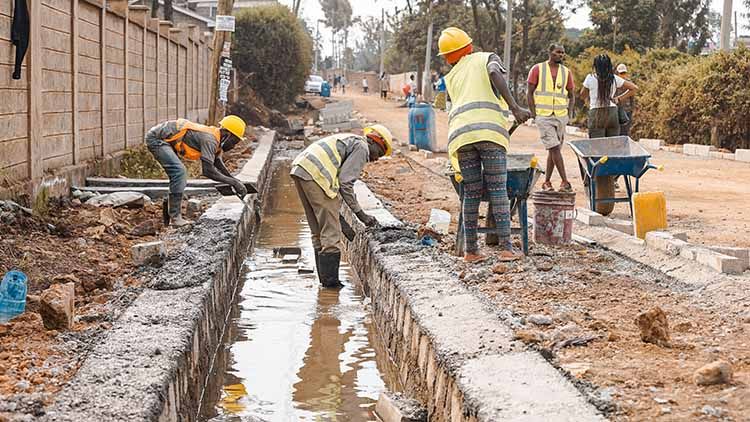
The frustrating reality is that drainage problems are not always visible during a dry season site visit, which is precisely when most buyers choose to inspect land.
The plot looks dry, flat, and perfectly buildable. Then the rains arrive and the same plot that looked ideal collects water from every surrounding area and refuses to release it.
Knowing how to identify drainage problems before buying, even during a dry season inspection, is knowledge that protects your investment from one of the most common and most preventable sources of property loss in Nigeria.
Why Drainage Matters More Than Most Buyers Realize
Poor drainage does not just make land uncomfortable. It makes land genuinely difficult to develop and significantly less valuable over time.
A plot that floods regularly during rainy season creates the following financial consequences for its owner:
∙ Foundation costs increase because structures must be raised above flood level
∙ Building materials deteriorate faster when repeatedly exposed to standing water
∙ Rental income drops because tenants avoid properties that flood predictably
∙ Resale value falls because every future buyer with any diligence discovers the drainage history
∙ Development timelines extend because wet soil cannot be built on during rainy season months
Every one of these consequences represents real money leaving your pocket over the investment lifetime of the property. The cost of identifying drainage problems before purchase is zero beyond the time spent during inspection. The cost of discovering them after purchase compounds every year.
Why Drainage Matters More Than Most Buyers Realize
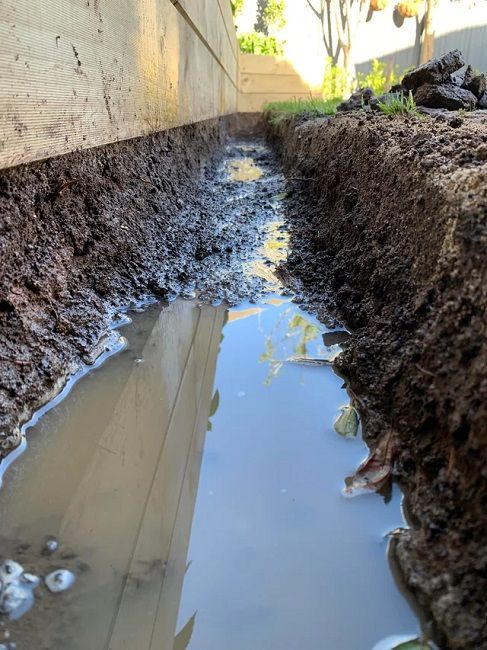
Understanding why drainage problems occur helps you identify the conditions that create them during your inspection.
Land drains water through a combination of natural slope, soil permeability, and infrastructure.
When any of these elements is absent or inadequate, water accumulates rather than dispersing. Natural slope allows water to flow away from a plot under gravity. A plot that sits in a low-lying area relative to its surroundings receives water flowing from higher ground and has nowhere to drain it further.
Soil permeability determines how quickly water absorbed into the ground dissipates. Clay-heavy soils absorb water slowly and release it even more slowly, creating conditions where the ground stays saturated long after rain has stopped. Sandy or loamy soils drain significantly faster and create fewer waterlogging problems.
Infrastructure in the form of drainage channels, culverts, and storm water management systems provides artificial drainage capacity that supplements what natural slope and soil type provide. Without this infrastructure, even moderately heavy rainfall overwhelms the natural drainage capacity of many urban plots.
Reading the Landscape During Your Inspection
What the Topography of the Area Tells You
The first and most revealing drainage assessment you can do requires no equipment and no technical knowledge. Simply observe the landscape around the plot you are inspecting and assess its relative elevation compared to surrounding land.
A plot that sits visibly lower than the roads, neighboring plots, and surrounding land is a plot that receives runoff from every direction when it rains. Water flows downhill under gravity without discrimination.
Every higher piece of ground surrounding a low-lying plot contributes its rainwater to that plot during and after a rainstorm.
Standing at the edge of a plot and looking across it at the surrounding land gives you a clear visual impression of relative elevation.
A plot that appears to sit in a bowl-shaped depression relative to its surroundings is one that warrants serious drainage investigation before purchase.
Conversely, a plot that sits at a similar elevation to surrounding land or slightly above it is in a fundamentally better drainage position because water can flow away from rather than toward it.
Identifying Signs of Previous Flooding
Even during a dry season inspection, the physical evidence of previous flooding is often visible to a trained eye. Look for the following indicators during your site visit:
Watermarks on existing structures or trees at the plot boundary show the level that water reached during previous flood events.
A watermark one meter above ground level on a tree trunk tells you that the plot has experienced significant flooding in the past, regardless of how dry it looks at the moment of your visit.
Unusual vegetation patterns can indicate drainage problems. Areas where grass or weeds are particularly lush, green, and dense compared to surrounding areas often indicate that the soil beneath holds water longer than surrounding land, supporting more vigorous plant growth. Conversely, bare patches where vegetation struggles to establish can indicate areas of frequent inundation that kills plant roots.
Soil color and texture at the surface can indicate drainage history. Dark, almost black soil that feels soft underfoot even during dry season often indicates land that retains moisture far longer than it should. Rust-colored or mottled soil patterns visible where the surface has been disturbed indicate waterlogged conditions that have affected the soil chemistry over time.
Erosion channels, even small ones, that run across the plot indicate the direction and force of water movement during rainfall. Tracing these channels shows you where water enters the plot, how it moves across it, and whether the plot has an adequate outlet for that water to leave.
What to Look for in an Estate’s Drainage System
A well-planned estate addresses drainage through deliberately designed infrastructure that manages rainwater systematically rather than leaving individual plots to cope with whatever water arrives during a storm. During your site inspection, examine the estate’s drainage infrastructure as carefully as you examine individual plots.
Drainage channels, which are the open or covered conduits that carry rainwater away from the estate, should be present along the sides of internal roads and at the lower boundaries of individual plots.
These channels should be wide and deep enough to handle the volume of water that heavy Nigerian rainfall produces, and they should have a clear outlet that carries water out of the estate entirely rather than simply moving it from one part of the development to another.
The condition of existing drainage channels tells you about the developer’s commitment to maintaining infrastructure over time. Channels that are blocked with debris, filled with vegetation, or clearly insufficient in size relative to the roads and plots they serve indicate drainage infrastructure that will fail during heavy rainfall regardless of how well it was originally designed.
Culverts, which are covered drainage passages that allow roads to cross drainage channels without interruption, should be present wherever an internal road crosses a drainage channel within the estate. A road that blocks a drainage channel without a culvert creates a dam that backs water up on one side during rainfall, potentially flooding plots on the upstream side.
The Prideland in Golf Annex Phase 2 features a complete drainage system as part of its established estate infrastructure. This drainage system works alongside the asphalted roads, gated perimeter, water supply, electricity, and relaxation centre to create an environment where water management is handled at the estate level rather than left to individual plot owners to resolve independently.
Checking the Outlet for Estate Drainage
One of the most important and most frequently overlooked elements of estate drainage inspection is verifying that the drainage system has an adequate outlet. A drainage system that collects water efficiently from across an estate but has no adequate outlet simply accumulates that water somewhere within the development rather than removing it.
Ask the developer specifically where the estate’s drainage system discharges its collected water and then verify that outlet physically during your site inspection. A natural drainage channel, a government storm water drain, or a properly designed detention pond are all legitimate outlets. A drainage system that simply ends at the edge of the estate with nowhere for collected water to go is an incomplete system that will cause flooding under any significant rainfall.
Using Technology to Assess Drainage Risk
Google Earth and similar satellite imagery platforms maintain historical imagery that can reveal drainage conditions at different times of year. Viewing satellite imagery of your target location taken during or shortly after rainy season shows you what the land actually looks like when rainfall stress tests the drainage system.
Access Google Earth on your computer and navigate to the location of the land you are inspecting. Use the historical imagery function, which is available in Google Earth Pro at no cost, to scroll through images taken at different dates and during different seasons. Imagery taken between June and September, which is Nigeria’s primary rainy season, shows you the drainage reality of the land rather than the dry season appearance that most buyers inspect in person.
A plot that appears well-drained and dry in January but shows visible water accumulation, darkened soil, or flood coverage in August is telling you something important about its drainage characteristics that no dry season site visit reveals.
Questions Every Buyer Should Ask Before Purchasing
A site inspection produces the best results when the buyer arrives with specific questions rather than relying on the developer to volunteer information that might not serve their sales interest. Drainage is a topic where direct, specific questions produce the most useful responses.
Ask the developer the following questions before committing to any purchase:
Has any part of this estate experienced flooding during previous rainy seasons, and what was the response to those events?
Where specifically does the estate’s drainage system discharge its collected water, and can you show me that outlet during this inspection?
What is the natural drainage direction of this land, and how does the estate’s drainage infrastructure work with that natural drainage?
Are any plots within the estate in lower-lying areas that present higher drainage risk than others, and is the plot I am considering one of them?
What maintenance program exists for the estate’s drainage infrastructure, and who is responsible for funding and executing that maintenance?
The quality and directness of the answers you receive to these questions tells you a great deal about the developer’s relationship with drainage reality in their estate. A developer who answers every question specifically and offers to show you physical evidence of each answer is demonstrating the transparency that every serious buyer deserves.
A developer who responds vaguely, deflects questions about specific plots, or becomes defensive about drainage questions is providing information through their evasiveness that you should take seriously.
Visiting During or After Rainfall
The single most effective drainage inspection technique available to any property buyer is visiting the land during or immediately after significant rainfall. This approach removes every ambiguity that dry season inspection creates and shows you the drainage reality of the land directly rather than through inference and historical evidence.
If your property purchase timeline allows any flexibility, scheduling at least one visit to your target estate during the rainy season months of April through October gives you firsthand observation of how the land and the drainage infrastructure perform under the actual conditions that will affect your investment for its entire lifetime.
Arriving at a site within twenty-four hours of significant rainfall shows you the residual water patterns that remain after the immediate storm runoff has dissipated. Standing water that persists for more than a day after rainfall has stopped indicates drainage capacity that is insufficient for the volume of water the land receives.
Soil that remains soggy underfoot for days after rainfall indicates the kind of poor permeability that makes development challenging and expensive.
Royal Garden and Resort, Viva-Gold Real Estate’s flagship resort-style development, is designed with the drainage standards that resort-quality living demands.
The development planning for this estate accounts for water management as a fundamental element of the community design rather than an afterthought that individual plot owners must address independently after purchase.
Protecting Your Investment Starts Before You Pay
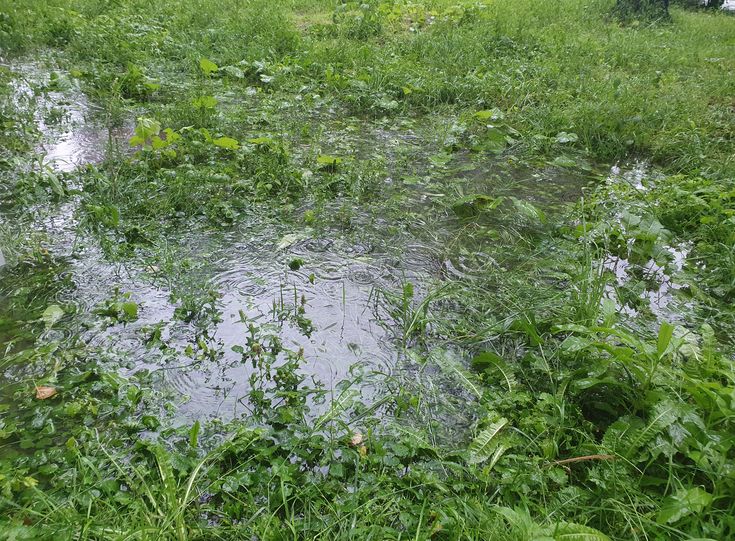
Drainage problems are among the most preventable of all the risks that Nigerian land investment carries. They are identifiable before purchase through careful observation, smart use of technology, direct questioning of the developer, and whenever possible, a rainy season site visit that shows you what the land actually does with water.
A buyer who applies the drainage assessment techniques described in this article arrives at every land purchase decision with knowledge that most buyers in the Nigerian market simply do not have. That knowledge is the difference between buying confidently and discovering problems after payment that documentation review and dry season site visits would never have revealed.
Viva-Gold Real Estate addresses drainage at the estate infrastructure level across all their Enugu developments. The drainage system at The Prideland in Golf Annex Phase 2 is a physical, functional part of the estate infrastructure that buyers can inspect directly during their site visit.
The documentation provided with every plot, including the Registered Survey Plan, the Land Title, the Deed of Assignment, the Power of Attorney, and the Land Document, reflects the legal foundation of an investment that is protected from every angle, including the physical drainage reality of the land.
+234 813 221 5202 | +234 901 001 0160, info@vivagoldrealestate.com, vivagoldrealestate.com | 7 College Road, New Layout, Enugu