
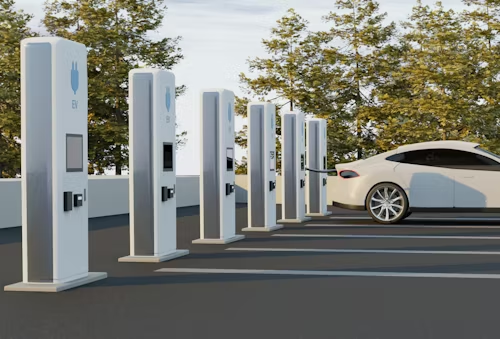
As electric vehicles (EVs) gain traction worldwide, one question keeps popping up: Should your next home come with a built-in EV charging station?
In 2026, with EV adoption accelerating and more buyers prioritizing sustainability, the answer is leaning strongly toward yes, especially if you’re thinking long-term.
Let’s talk about why EV chargers are becoming a key feature in modern homes, the real benefits they bring, and whether they’re worth the investment right now.
Why EV Chargers Are Gaining Popularity
EVs are no longer just for tech enthusiasts. Global sales are surging, and home charging is the most convenient way to power up over 80% of EV owners charge at home overnight.
This convenience turns your garage or driveway into a personal “fuel station,” saving time and hassle compared to public stations.
In growing markets, buyers see chargers as part of a forward-thinking lifestyle. Features like Level 2 chargers (which add 20-60 miles of range per hour) make daily driving seamless, especially when paired with solar panels or off-peak electricity rates.
As EVs become mainstream, homes without charging options risk falling behind.
The Big Benefits of Having a Home EV Charger
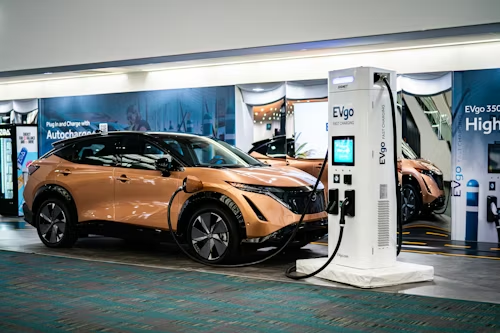
1. Convenience and Daily Savings Charging at home is cheaper and easier. Overnight charging means starting each day with a full battery no more detours to public stations.
It also saves money: home rates are often lower than public fast chargers, cutting “fuel” costs significantly.
2. Increased Home Resale Value Studies show homes with EV chargers sell faster and for more. In some markets, they add a premium, up to 3% or thousands in value because buyers view them as a ready-to-go feature.
As EV ownership grows, properties with chargers become more desirable, especially in family-oriented or eco-conscious neighborhoods.
3. Future-Proofing Your Property With EV numbers rising, a charger makes your home stand out. It’s like adding solar panels or smart tech, buyers appreciate the upgrade. In the coming years, it could become standard in new builds.
4. Environmental and Lifestyle Perks Home charging supports greener living by reducing reliance on fossil fuels. It’s a small step toward lower emissions and aligns with wellness trends, like efficient, modern homes.
What About Costs and Practicality?
Installation costs vary by setup, basic Level 2 chargers start affordably, but full installs (including wiring) can add up. Incentives like tax credits help offset this in many places. In Nigeria, while EV adoption is rising (with a 400% increase in recent years and government policies pushing infrastructure), home chargers are still emerging.
Costs for a home unit might range from ₦500,000 to ₦2 million, depending on the model and electrical upgrades. Public stations are limited, so home charging offers real convenience for EV owners.
Challenges exist, grid reliability and upfront costs but as policies evolve (like the 2025 Green Mobility Bill with incentives for charging infrastructure), it gets easier.
The Bottom Line: Is It a Must-Have?
In 2026, yes for anyone eyeing a long-term home. An EV charger isn’t just an add-on; it’s a smart, practical upgrade that boosts convenience, value, and appeal. As EVs become more common, homes with them will stand out in the market.
If you’re building or buying and want a property that embraces this trend, think serene estates with modern amenities that support sustainable living. Aside that, it makes an estate stand out and sell fast too.
Viva-Gold Real Estate has options that align perfectly. Our Royal Garden & Resort project focuses on forward-thinking designs with space for such features, while giving the serene environment. Click here to reach out today to explore the best.