There is a growing number of Nigerians, at home and in the diaspora, who are building differently. Not just bigger or more expensively, but more thoughtfully. They are asking questions that previous generations of builders rarely asked.
How do I reduce my dependence on the national grid? How do I build a home that is comfortable without being wasteful? How do I create a living space that works with the natural environment rather than against it?
These questions are driving a quiet but significant shift in how new homes are being designed and built across Southeast Nigeria. Enugu, with its naturally temperate climate, its green landscape, and its growing community of forward-thinking investors and homeowners, is one of the cities where this shift is most visible and most exciting.
Building an eco-friendly, solar-powered home in Southeast Nigeria is not a distant aspiration for the privileged few. It is a practical, achievable goal for any serious builder who approaches it with the right information and the right foundation.
The Steps You Should Take
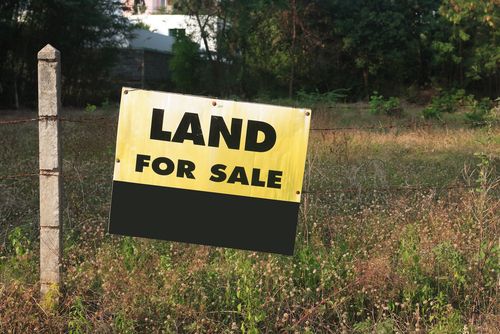
Start With the Right Land in the Right Location
Every building project begins with land. For an eco-friendly build, the choice of land is even more consequential than it is for a conventional home, because the orientation, topography, and surrounding environment of your plot directly affect how energy-efficient and environmentally sustainable your finished home can be.
A plot that benefits from good natural airflow reduces the need for mechanical cooling. A plot with adequate space for solar panels, rainwater harvesting systems, and garden areas supports the eco-friendly features you want to integrate.
A plot in a structured, well-planned estate with proper road drainage, organized infrastructure, and a managed community environment creates the conditions in which sustainable building makes the most sense.
Every plot across these estates comes with Land Title, Land Document, Deed of Assignment, Power of Attorney, and Registered Survey Plan. Your legal foundation is as solid as the physical one you will build on it.
Design for the Southeast Nigerian Climate
Enugu and the broader Southeast region have a climate that is genuinely favorable for eco-friendly building. The weather is relatively temperate compared to the extreme heat of northern Nigeria or the humidity of the coastal south.
There is good rainfall that supports natural cooling and rainwater harvesting. The landscape is green and the natural vegetation provides shade and airflow opportunities that smart building design can take advantage of.
An eco-friendly home in this climate should be designed to maximize natural ventilation. High ceilings, strategically placed windows that capture prevailing breezes, and roof overhangs that shade walls and windows from direct midday sun all reduce the need for mechanical cooling and cut the energy load that your solar system needs to carry.
Ready to build your eco-friendly home on verified, documented land in Enugu? Talk to Viva-Gold Real Estate today.
Call or WhatsApp: +234 813 221 5202 | vivagoldrealestate.com
Solar Power: Designing a System That Actually Works
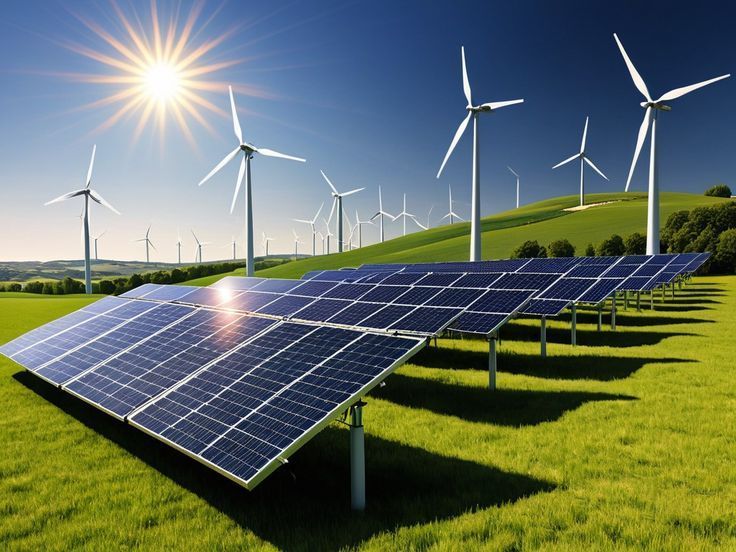
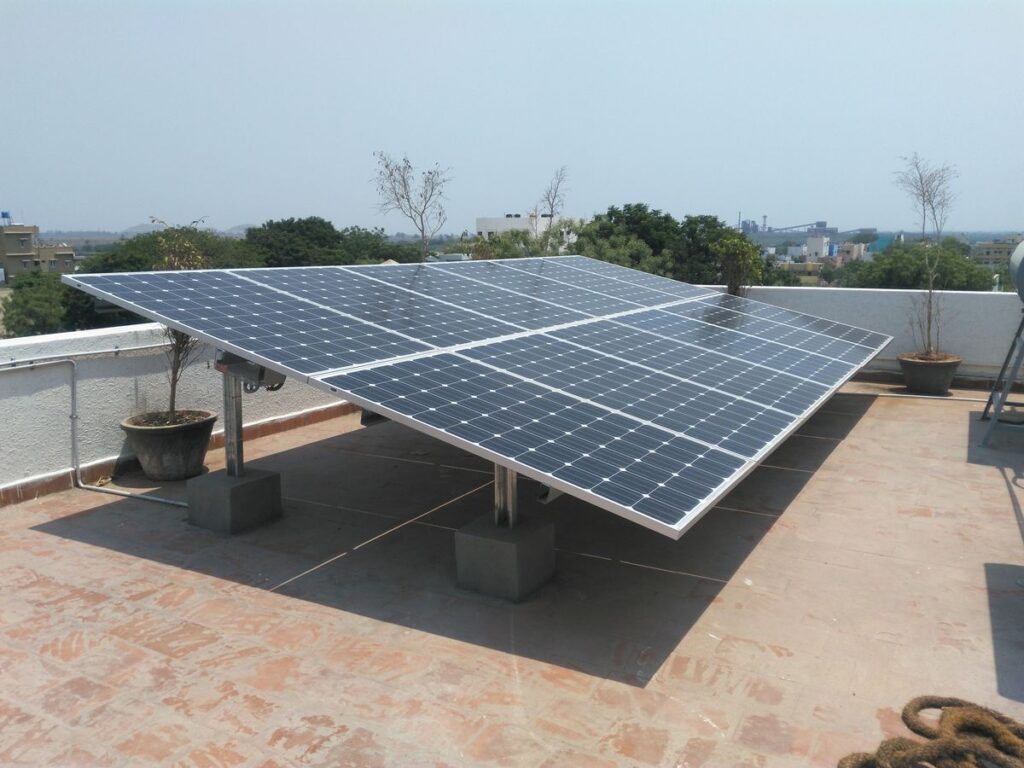
Solar energy is the cornerstone of an eco-friendly home in Nigeria, and designing a solar system that genuinely meets your needs requires more thought than simply buying panels and an inverter.
The starting point is an honest assessment of your energy consumption. List every appliance you intend to run in your home, how many hours each day it will be in use, and its power consumption in watts. This calculation gives you your daily energy demand in watt-hours, which determines the size of the solar system you need.
For a well-equipped Nigerian home running lights, fans, a refrigerator, a television, phone charging, a water pump, and a modest air conditioning unit in the main bedroom, a properly sized system typically involves multiple solar panels.
It will have a combined generating capacity matched to your daily consumption, a battery bank sufficient to store enough energy to run the home overnight and through overcast periods, a quality inverter that converts the stored direct current electricity to the alternating current your appliances use, and a charge controller that manages the charging of your batteries to maximize their lifespan.
Rainwater Harvesting and Water Conservation
An eco-friendly home in Southeast Nigeria has an opportunity that builders in drier climates can only envy. The region’s rainfall is generous and relatively reliable, making rainwater harvesting a practical and financially sensible water management strategy.
A properly designed rainwater harvesting system collects water from your roof through gutters and downpipes, filters it through a series of mesh screens and settling chambers that remove leaves, debris, and sediment, stores it in underground.
You can also use an above-ground tanks sized to your household’s daily water needs and distributes it through your home’s plumbing system for non-potable uses like flushing toilets, washing clothes, and watering a garden.
Building Materials That Work With the Environment
The choice of building materials affects both the environmental footprint of your home and its long-term performance in the Southeast Nigerian climate. Locally sourced materials generally have a lower environmental impact than imported alternatives because they require less energy to transport and support local economies.
Laterite blocks, which are made from the reddish clay soil abundant across Southeast Nigeria, are an excellent building material for eco-friendly construction. They have good thermal mass properties, meaning they absorb heat during the day and release it slowly at night, moderating indoor temperatures naturally.
Bamboo, which grows abundantly in Southeast Nigeria, is finding increasing application in eco-friendly construction as a structural material, a roofing support, and a decorative element. Its strength to weight ratio rivals steel for certain applications, and its growth rate makes it one of the most renewable building materials available.
For roofing, materials that reflect rather than absorb solar radiation keep your home cooler and reduce the energy load on your cooling systems. Aluminium and light-colored roofing sheets perform significantly better in this regard than darker materials that absorb heat and transfer it into the living spaces below.
Waste Management and Composting
A complete eco-friendly home addresses not just energy and water but also waste. A simple composting system that processes kitchen and garden organic waste into fertile compost for a home garden closes a nutrient cycle in a way that reduces waste sent to landfill and produces something genuinely useful for growing food or maintaining a garden.
Grey water systems that capture and reuse water from sinks and showers for toilet flushing and garden irrigation further reduce the environmental footprint of the home and lower the demand on your water storage and filtration systems.
Conclusion
Building an eco-friendly, solar-powered home in Enugu or Southeast Nigeria is a decision that rewards you financially through reduced utility costs, practically through reliable energy and water independence, and environmentally through a reduced impact on the natural systems that make Southeast Nigeria one of the most beautiful regions in the country.
It begins with the right land, properly documented and strategically located in a well-planned estate. Viva-Gold Real Estate provides exactly that foundation across their Enugu estates. The vision for your eco-friendly home starts with one call to their team.
+234 813 221 5202 | +234 901 001 0160, info@vivagoldrealestate.com, vivagoldrealestate.com | 7 College Road, New Layout, Enugu