
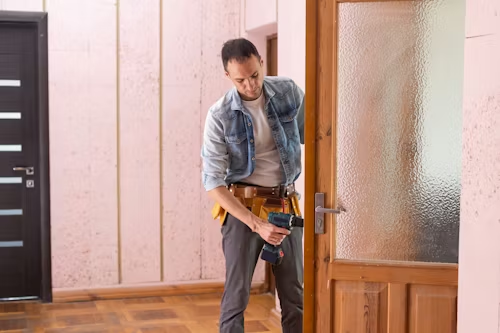
Buying a property often involves a professional inspection to check the condition of the house, plot, or estate. Inspections reveal issues that may not be obvious at first glance, such as structural problems, plumbing faults, or electrical concerns. Once the inspection report is in, the question arises: who is responsible for paying for repairs?
Understanding this process is crucial for buyers and ensures that there are no surprises after signing the purchase agreement.
Understanding the Inspection Process
A property inspection is meant to identify existing issues or potential risks. It protects the buyer from unexpected costs and ensures the property meets safety and quality standards. The inspection report will list necessary repairs, which can range from minor fixes to major structural problems.
For buyers, knowing how to handle these findings can affect the final purchase decision or negotiation.
Typical Scenarios for Repair Responsibility
- Seller Covers Repairs – In many cases, the seller may agree to fix certain issues before the property changes hands. This is common when repairs are minor, such as fixing leaks, replacing damaged fixtures, or repainting.
- Buyer Covers Repairs- Sometimes, buyers accept responsibility for repairs, especially if they are minor or if they prefer to manage upgrades themselves. This can also happen when the seller is unwilling to negotiate or when the property is being sold “as-is.”
- Negotiated Credits– A middle ground is negotiating a credit. Instead of the seller completing repairs, the buyer receives a reduction in the purchase price equivalent to the cost of repairs. This allows the buyer to handle the fixes after closing, often on their schedule and preferred standards.
Factors That Influence Who Pays
- Property Type and Condition: Newer or recently renovated properties typically require fewer repairs, while older properties may have more issues.
- Market Conditions: In a buyer’s market, sellers are more likely to cover repairs to close the deal. In a seller’s market, buyers may accept more responsibility.
- Inspection Findings: Major issues like foundation problems or faulty wiring are usually the seller’s responsibility. Cosmetic or minor issues may fall to the buyer.
- Legal Agreements: Sale contracts and local laws often specify repair obligations. Buyers should review these carefully before signing.
Practical Tips for Buyers
- Review the inspection report in detail and identify urgent vs. cosmetic repairs.
- Ask the seller to confirm which repairs they are willing to handle.
- Get estimates for repair costs to inform negotiations or credits.
- Factor repair costs into your budget if you will handle them yourself.
Why Choosing a Reliable Developer Matters
If you’re buying in a well-structured estate, inspection concerns may be fewer. Developers who prioritize quality and proper planning often deliver properties in excellent condition, reducing the need for post-inspection repairs.
For example, Viva-Gold Real Estate ensures plots and developed properties meet high standards, and payment plans are transparent, giving buyers confidence in the condition of their investment. Even first-time buyers can move forward knowing the property is secure, well-planned, and maintained.

Conclusion
Responsibility for repairs after an inspection depends on negotiation, property condition, and legal agreements. Buyers should carefully review inspection reports and discuss responsibilities before finalizing the purchase.
Choosing estates with high construction and planning standards, like Viva-Gold Real Estate, can minimize repair concerns, making your buying experience smoother and less stressful.
Click here to explore available plots and learn more about Viva-Gold Real Estate’s quality standards