
Choosing between an old house and a new build is one of the biggest decisions homebuyers face.
Old houses (typically 50+ years) often carry charm, history, and unique character, while new builds (recently constructed or under 5 years old) promise modern convenience, efficiency, and fewer immediate headaches. In 2026, with evolving building standards, energy costs, and buyer preferences, the gap between the two is narrowing but each still has clear pros and cons.
There’s no one-size-fits-all answer; it depends on your budget, lifestyle, and long-term plans. Let’s break it down honestly so you can decide what fits best.
The Appeal of Old Houses: Charm and Character
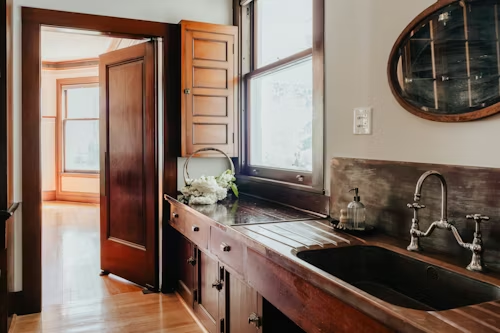
Old homes have a timeless quality that’s hard to replicate. Think high ceilings, intricate woodwork, original hardwood floors, and architectural details like crown molding or stained glass. These features give a sense of history and personality that many buyers love.
This charming historic Victorian home showcases classic details like ornate trim and vibrant colors that add unique character:
Pros of Old Houses
• Often more affordable upfront (though the price gap is shrinking).
• Larger lots, mature landscaping, and established neighborhoods with amenities like schools and shops.
• Potential for higher appreciation if renovated thoughtfully.
• Unique layouts and craftsmanship from eras when materials like thick timber were standard.
Cons of Old House
• Higher maintenance and repair costs, outdated plumbing, electrical, roofs, or foundations can add up quickly.
• Less energy-efficient, leading to higher utility bills.
• Possible hazards like lead paint or asbestos (banned in recent decades).
• May need updates to meet modern codes.
An interior glimpse of an old house with high ceilings and ornate details that feel spacious and full of history
The Advantages of New Builds: Modern Comfort and Peace of Mind
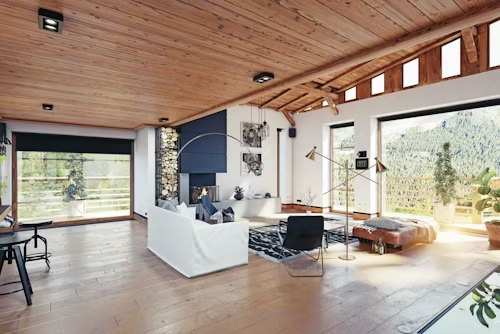
New construction focuses on today’s needs: open floor plans, energy-efficient designs, smart features, and everything in pristine condition.
This contemporary new build features clean lines, large windows, and a fresh, modern exterior:
Pros of New Builds
• Move-in ready with warranties (often 1–10 years on systems and structure).
• Better energy efficiency, lower utility bills from modern insulation, windows, and appliances.
• Customization options (finishes, layouts) if buying during construction.
• Compliance with current building codes for safety and disaster resistance.
Cons of New Builds
• Higher upfront costs (though incentives like rate buy-downs sometimes help).
• Can feel “cookie-cutter” or lack soul compared to older homes.
• Smaller lots or developing neighborhoods without mature trees/amenities.
• Potential for minor settling issues early on.
Which Is the Better Investment?
Both can build wealth, but it varies. Old homes in established areas often appreciate steadily with updates, while new builds offer lower initial maintenance and efficiency savings.
In many markets, the choice comes down to location and condition, buying an old home in a prime spot and renovating can outperform a new one in a less desirable area.
In Nigeria, where construction quality varies, new builds from reputable developers provide more predictable standards, but well-maintained older properties in good neighborhoods hold strong value too.
Conclusion
It Depends on You.
If you love character, history, and potential for personalization, an old house might feel like home. If you want low-maintenance, modern efficiency, and a fresh start, go for a new build. Either way, always get a thorough inspection.
If you’re leaning toward a thoughtfully designed property that combines modern quality with resort-style serenity, like lush gardens, recreational spaces, and a peaceful environment, Viva-Gold Real Estate’s Royal Garden & Resort offers the best of both worlds. It’s built with today’s standards for lasting value and enjoyment.
Ready to explore options that suit your vision? Contact us at +234 8132215202, email info@vivagoldrealestate.com, or visit vivagoldrealestate.com for more details.