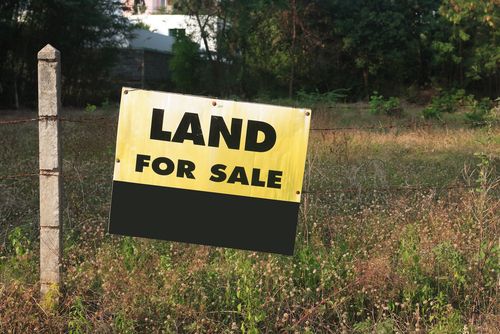
Imagine moving into a beautiful residential estate with paved roads, security, drainage, green spaces, and modern homes.
Everything looks carefully planned until the power goes out.
The security lights go off. Water pumps stop working. Residents switch on generators. Noise fills the estate as families look for alternative power.
This experience is still familiar to many Nigerians.
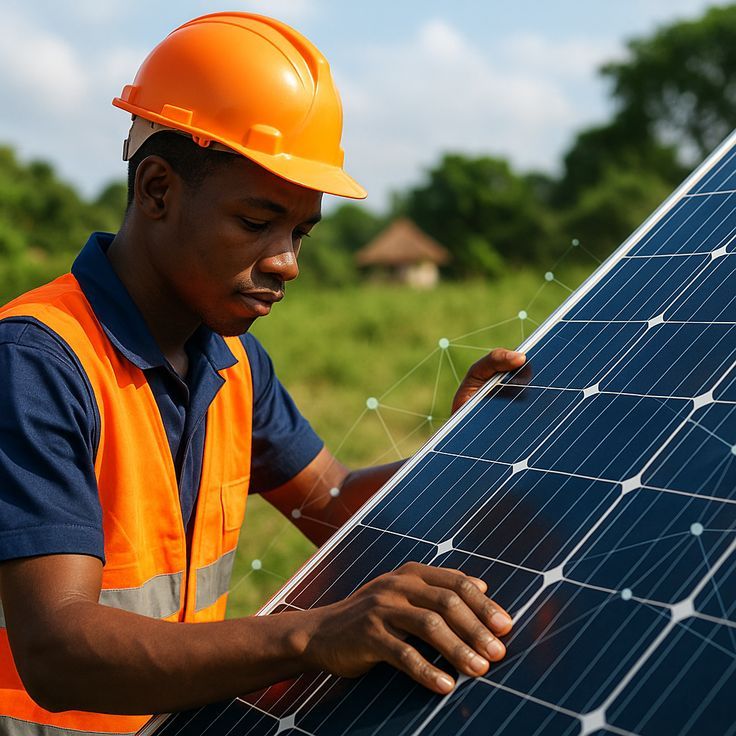
Electricity has become an important factor in how people choose homes and investment properties. Buyers now consider more than land size, location, title, and building quality.
They also want to know how the property will function after they move in.
Solar energy can change that experience.
Nigeria has significant potential for renewable energy, especially solar power. Government energy policies also encourage greater adoption of solar technologies and renewable energy systems.
The World Bank also reports that millions of Nigerians still lack access to electricity. Its recent projects have supported solar home systems and solar hybrid mini grids across the country.
These developments show why solar energy deserves greater attention in residential estate development.
For property developers, solar power offers another way to design estates around modern living.
For buyers, it can provide greater energy independence and convenience.
For investors, it can make an estate more attractive to future residents.
Solar energy is therefore becoming more than an environmental idea.
It is becoming part of the future of Nigerian residential property.
Why Electricity Matters in Modern Residential Estates
A residential estate depends on electricity for more than household appliances.
Power supports many systems that residents may not notice until they stop working.
Water pumps may require electricity to supply homes. Security systems may need continuous power to operate effectively.
Streetlights also depend on reliable energy to keep roads and shared spaces visible at night.
Gated estates can require electricity for access control systems, surveillance equipment, and security posts.
Recreation centres and other shared facilities also need dependable power.
These systems become difficult to manage when an estate depends entirely on an unreliable power supply.
Residents then turn to generators, which create additional expenses.
Fuel prices can also make generator use increasingly difficult for households.
Solar energy provides another option.
A properly designed solar system can support selected estate facilities without relying completely on the national grid.
That can improve the way residents experience the estate.
Nigeria’s Energy Challenges Make Solar More Relevant
Nigeria’s electricity situation has created a strong need for alternative energy sources.
The World Bank reported in 2025 that more than 80 million Nigerians lacked access to electricity. Its Nigeria Electrification Project also supported solar home systems and solar hybrid mini grids.
This situation creates a strong opportunity for distributed energy solutions. Solar power can generate electricity closer to where people consume it.
Residential estates can therefore incorporate solar systems into their infrastructure instead of treating energy as an afterthought.
The Nigerian government has also recognised the role solar energy can play.
The National Energy Policy encourages individuals and organisations to generate solar power and reduce dependence on the national grid.
The policy also encourages solar installations within existing infrastructure. It further supports designing new residential buildings to accommodate solar installations.
These policies reflect a broader shift in how Nigeria approaches energy planning. Residential property development can be part of that transition.
How Solar Energy Can Improve Residential Estates
Solar power can influence several areas of estate development. The biggest benefit is not simply having solar panels on rooftops.
The real value comes from integrating energy systems into the estate’s overall design.
Solar Streetlights Can Improve Estate Security
Street lighting is an important part of residential estate infrastructure. Dark roads can make residents uncomfortable when returning home at night.
Poor lighting can also create challenges for security personnel monitoring the estate. Solar streetlights can provide lighting without depending entirely on conventional electricity.
Each unit can use solar panels to charge batteries during the day.
The stored energy can then power the light after sunset.
This approach can support lighting across estate roads, walkways, entrances, and shared spaces. It can also reduce dependence on the national grid for outdoor lighting.
Solar Can Support Estate Security Systems
Modern estates increasingly use technology to support security.
These systems can include surveillance cameras, access control equipment, electric gates, alarms, and security lighting.
Power interruptions can affect these systems. A properly designed solar and battery system can provide backup power for essential security equipment.
This does not mean solar automatically guarantees complete security.
Security still depends on trained personnel, effective monitoring, proper estate management, and other measures. Solar power simply supports the infrastructure that security teams rely on.
Solar Can Support Water Infrastructure
Water supply is another important part of residential estate living. Many estates use pumps to move water into storage tanks.
Those pumps require electricity. A solar energy system can support water pumping during daylight hours.
Battery storage can also provide additional flexibility for selected systems.
This can reduce the estate’s dependence on generators for essential water infrastructure. Reliable water systems can make residential estates more comfortable for homeowners.
That matters to both residents and property investors.
Solar Energy Can Reduce Dependence on Generators
Generators have become a common part of Nigerian household life. They provide backup power during electricity interruptions.
The problem is that generators require fuel, servicing, repairs, and regular maintenance. They also produce noise and exhaust emissions.
An estate that reduces generator dependence can create a more comfortable environment for residents. Solar energy cannot solve every power challenge on its own.
System capacity depends on the equipment installed, available sunlight, battery storage, and the amount of electricity required.
Large appliances also require appropriately sized systems. Good planning therefore matters.
Developers must understand the estate’s energy requirements before choosing a solar system. The goal should be reliable performance rather than simply installing solar panels for appearance.
Solar Energy Can Make Estates More Sustainable
Sustainability is becoming increasingly relevant to property development. Homebuyers are becoming more conscious of how buildings affect their expenses and surroundings.
Solar energy provides a cleaner alternative to some conventional power sources. It can reduce reliance on diesel and petrol generators for supported loads.
It can also contribute to lower emissions from generator use. Nigeria’s energy authorities continue to promote renewable energy development.
In 2025, the Energy Commission of Nigeria highlighted new investments and initiatives supporting renewable energy deployment.
This direction could influence future building and estate development.
Developers who consider sustainability early can create properties that remain relevant as buyer expectations change.
Why Solar Could Increase an Estate’s Appeal
Property buyers rarely make decisions based on one feature.
They consider location, documentation, accessibility, infrastructure, security, pricing, and future potential. Energy infrastructure can become another important consideration.
A residential estate with well planned energy solutions may appeal to buyers who want greater convenience. It can also attract people who work from home and depend heavily on electricity.
Small businesses operating from homes may also benefit from more dependable power. Families may value reliable lighting, water systems, and security infrastructure.
These features can make an estate more practical for everyday living. The benefit extends beyond immediate convenience.
Good infrastructure can contribute to an estate’s overall attractiveness as the surrounding area develops.
Solar Energy Can Support Long Term Property Development
Residential estates are long term investments. A buyer may purchase land today and develop it several years later.
The infrastructure available at the estate can influence how attractive the property becomes over time.
Energy systems can therefore form part of a broader development strategy. Developers can plan for solar installation during the estate’s early stages.
They can also create infrastructure that allows homeowners to add solar systems later. This approach gives residents more flexibility.
It also prevents solar installation from becoming an expensive afterthought. Nigeria’s energy policy already recognises the importance of incorporating solar into residential development.
Future focused estates can take that principle seriously.
What Should Buyers Look For in a Solar Ready Estate?
Not every estate that advertises solar energy offers the same level of infrastructure.
Buyers should ask specific questions before making a property decision.
Ask What the Solar System Powers
A developer may install solar systems for specific facilities. That could include streetlights, security equipment, water pumps, or shared facilities.
Buyers should understand exactly what receives solar power. This prevents unrealistic expectations after purchase.
Ask About Battery Storage
Solar panels generate electricity during daylight hours.
Battery systems store electricity for use later.
The battery capacity should match the intended load.
Buyers should therefore understand how the estate manages power after sunset.
Ask About Maintenance
Solar equipment requires proper maintenance.
Panels need cleaning and inspection.
Batteries and other components also have operating lifespans.
Estate management should have a clear maintenance plan.
A solar system without proper maintenance can lose efficiency over time.
Ask About Backup Power
Solar energy can reduce generator dependence.
It does not necessarily eliminate the need for another power source.
Buyers should understand how the estate handles prolonged cloudy periods, system faults, or unusually high demand.
A reliable energy strategy should consider different situations.
What This Means for Property Developers
The future of residential development will require more than attractive houses.
Developers will need to think about how people actually live inside their communities.
Electricity, water, security, roads, drainage, waste management, and recreation all influence residents’ experiences.
Solar energy can become one part of that larger infrastructure system.
Developers can incorporate solar streetlights into estate layouts.
They can plan solar support for security infrastructure.
They can also design common facilities with energy efficiency in mind.
New developments can create dedicated spaces for solar equipment and batteries.
Such planning can make future upgrades easier.
The Energy Commission of Nigeria’s policies already encourage solar adoption and the development of local solar technologies.
The direction is clear.
Energy efficiency and renewable power will increasingly influence how Nigerian communities are designed.
Why This Matters for Property Buyers in Enugu
Enugu’s growing property market creates opportunities for developers to introduce modern infrastructure.
People buying land are not only thinking about what exists today.
They are also thinking about what their investment could become.
An estate with planned infrastructure can provide a stronger foundation for future development.
That includes good roads, drainage, security, water systems, recreational facilities, and reliable energy solutions.
Viva Gold Real Estate has multiple estates across Enugu, including Royal Garden & Resort, The Wealthy Place, The PrideLand Estate, Evangel Estate, and Royal Garden & Resort Phase 2.
The company positions its developments around strategic locations, infrastructure growth, security, documentation, and long term value.
Solar energy fits naturally into this broader conversation about modern estate infrastructure.
The point is not simply to add solar panels.
The bigger goal is to create residential communities that can meet changing expectations.
Solar Energy Is Becoming Part of the Future of Nigerian Housing
The Nigerian housing market is changing.
Buyers increasingly want properties that offer more than land and buildings.
They want communities that support comfortable and practical living.
Energy is an important part of that experience.
Solar power can support street lighting, security, water systems, and selected shared facilities.
It can reduce dependence on generators for supported services.
It can also help estates prepare for a future where renewable energy becomes increasingly important.
Nigeria’s national energy planning already supports greater adoption of renewable energy and solar technologies.
For developers, this creates an opportunity to think differently about estate infrastructure.
For buyers, it creates another factor to consider when comparing properties.
The best residential estates will not simply focus on how they look today.
They will consider how residents will live tomorrow.
Build Your Future in a Development Designed for Tomorrow
Solar energy is only one part of modern estate development.
Location, documentation, infrastructure, accessibility, security, and development plans still matter.
A smart property decision considers all these factors together.
Viva Gold Real Estate offers several property opportunities across Enugu for buyers with different investment goals.
You can explore available properties and learn more about its developments through Viva Gold Real Estate.
For enquiries, call +234 813 221 5202, +234 901 001 0160, or +234 901 001 0170.
Your next property investment should not only meet today’s needs.
It should also leave room for the future.