Building a house can be more than creating a place for your family to live. With the right planning, your property can also generate regular income.
Many property owners focus heavily on finishes, room sizes, and exterior appearance. Those features matter, but they should not be the only considerations when building an investment property.
The layout can determine how easily you attract tenants and how much income the property can produce.

A house designed for income should start with a clear business purpose. You need to know who will rent the property, what they can afford, and what type of space they need.
This approach helps you avoid spending heavily on features that do not improve the property’s earning potential.
Start With the Income You Want to Generate
Before drawing the building plan, decide how the property will make money.
You could build apartments for long term tenants, short let units, student accommodation, office spaces, shops, or a combination of uses. Each option requires a different design.
A property targeting families may need larger apartments, parking spaces, storage, and private outdoor areas. A property targeting young professionals may benefit from smaller units with efficient layouts and convenient amenities.
Your expected tenants should influence the design from the beginning.
Consider Multiple Rental Units
One of the simplest ways to increase a property’s earning potential is to create multiple independent units. Instead of building one large house for a single tenant, you could design several apartments within the same property.
For example, a building could contain two bedroom apartments, one bedroom apartments, or self contained units.
Each unit can generate separate rental income. The right combination depends on demand in your chosen location.
A developer should research the local market before deciding how many units to create.
Design for the Local Rental Market
A profitable property starts with understanding what tenants actually want.
Do not assume that the most expensive features will automatically attract the highest paying tenants.
Research nearby properties and compare their rents, sizes, facilities, and occupancy levels. You should also identify the people most likely to rent in the area.
In a location with many students, smaller affordable units may perform well. An area with professionals may support larger apartments with better finishes and additional facilities.
Your design should respond to the people who will actually pay to use the property.
Add a Separate Entrance Where Possible
Separate entrances can make multi unit properties easier to manage. Tenants can access their apartments without passing through another tenant’s private space.
This also makes it easier to create independent units within the same building.
For properties with commercial spaces, a separate entrance can allow customers to access those areas without disturbing residential tenants.
Good circulation should therefore be considered during the architectural design stage.
Create Flexible Spaces
A flexible property can adapt when market demand changes. You could design a room that works as a home office, guest room, or additional bedroom.
A larger open space could also serve different commercial purposes depending on the location and applicable regulations.
Flexible design can extend the usefulness of a property as tenant preferences change.
This matters because property investments can last for decades. A building that can accommodate changing needs may remain attractive for longer.
Consider Shops or Commercial Space
If your property is located along a suitable commercial road, incorporating shops can create another income stream.
The ground floor could contain retail spaces while upper floors provide residential apartments. This arrangement can work particularly well in areas with strong pedestrian and commercial activity.
However, commercial use should match the property’s location and planning requirements.
You should also consider parking, access, noise, waste management, and security before combining residential and commercial uses.
Think About Short Let Accommodation
Short lets can provide another income option in locations with regular visitor demand. You could design units specifically for short stay guests.
These units may require furniture, reliable electricity, internet access, security, and convenient access. The design should also make cleaning and maintenance straightforward.
However, short let income can fluctuate more than traditional rent. Research the local market before choosing this model.
Make Parking Part of the Design
Parking should not be treated as an afterthought. Tenants and guests often consider parking when choosing accommodation.
Poor parking arrangements can reduce the appeal of an otherwise attractive property.
Design enough parking based on the number and type of units. You should also consider visitor parking and convenient access to the building.
The available space should be used efficiently without creating difficult movement around the property.
Plan for Separate Utility Management
Multiple rental units are easier to manage when utilities can be monitored properly. Where practical, consider separate meters or clear systems for managing electricity and water consumption.
This can reduce disagreements between tenants and the property owner. It can also make operating costs easier to track.
Your architect, engineer, and relevant utility providers can advise you on suitable arrangements.
Prioritize Easy Maintenance
A property can generate income while still costing too much to maintain. That reduces your actual return.
Choose durable materials that can handle regular use without constant replacement. Avoid unnecessary design features that create expensive maintenance problems.
Bathrooms, kitchens, plumbing, drainage, roofing, and electrical systems deserve particular attention.
A simpler design can sometimes produce better long term results than an expensive design that is difficult to maintain.
Plan for Security
Security is an important consideration for income generating properties. Tenants want to feel comfortable in the property they are paying to occupy.
The design can incorporate appropriate lighting, secure entrances, perimeter fencing, controlled access, and other suitable security features.
Multi unit properties also need clear arrangements for movement within shared spaces.
Security should be considered alongside privacy rather than added after construction.
Build in a Location With Rental Demand
Even an excellent building can struggle if it is in the wrong location. The surrounding area influences who will rent the property and how much they are willing to pay.
Look for locations close to employment centres, schools, hospitals, commercial areas, transport routes, or other demand drivers.
Infrastructure can also influence the long term attractiveness of a property.
This is one reason location should be considered before purchasing land.
Consider Enugu’s Growing Property Market
Enugu offers opportunities for investors interested in developing income generating properties.
The city has residential communities, educational institutions, businesses, healthcare facilities, and expanding development corridors.
The state is also investing in major infrastructure and urban development projects.
New Enugu City, for example, is being developed as a major urban centre with residential, commercial, and other uses.
These developments can create opportunities for property owners who choose suitable locations and design properties around actual demand.
The key is identifying areas where people will need housing and commercial spaces.
Calculate Your Potential Rental Income Before Building
Do not wait until construction is complete before calculating your expected income.
Estimate the rent each unit could realistically generate. Then calculate your expected annual income.
You should also account for maintenance, property management, vacancies, taxes, utilities, security, and other operating costs.
This gives you a clearer estimate of the property’s potential return.
You can then compare that return with the total cost of acquiring the land and constructing the building.
Avoid Overbuilding
A bigger building is not automatically a more profitable building.
Extra rooms, expensive finishes, and unnecessary facilities can increase construction costs without increasing rental income.
Your goal should be to create a property that tenants value while keeping the development financially sensible. Every major design decision should answer one question.
Will this feature improve the property’s usefulness, demand, or earning potential? If the answer is no, reconsider the expense.
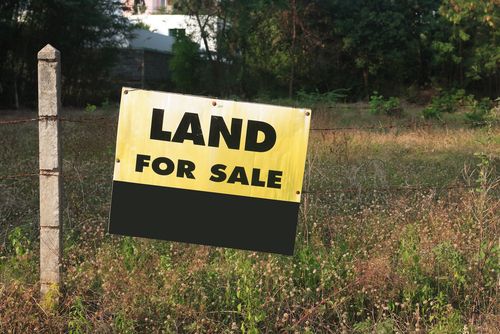
Start With the Land
The land you choose can determine what type of income generating property you can build.
Before purchasing, confirm the property’s title, survey, boundaries, accessibility, and development restrictions. You should also understand the surrounding area and its future development potential.
Viva Gold Real Estate offers land developments in Enugu that can be considered by buyers planning future residential or investment projects.
Its developments include Royal Garden and Resort, The Wealthy Place, and The Prideland.
The appropriate property should be selected based on your intended use, budget, and investment strategy.
Build With Your Future Tenant in Mind
A house designed for income should solve a specific tenant’s problem. Students need convenient and affordable accommodation.
Young professionals may value privacy, accessibility, security, and reliable utilities. Families may prioritize larger spaces, parking, security, and proximity to schools.
Short stay guests may value furnished spaces, internet access, convenience, and good surroundings.
Understanding these preferences before construction can help you create a property people actually want to rent.
Make Your Property Work for You
An income generating house does not happen by accident. The land, location, design, tenant profile, construction cost, and operating expenses all influence its performance.
Start with the income model, research the local market, and design around genuine demand. Then calculate the numbers before committing to construction.
If you are looking for land in Enugu for a future income generating property, visit Viva Gold Real Estate to explore available developments and property opportunities.
You can also call or WhatsApp +234 813 221 5202, +234 901 001 0160, or +234 901 001 0170 to speak with the Viva Gold Real Estate team about available properties.