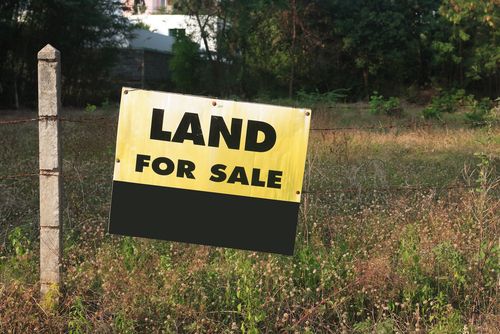

One of the most devastating experiences for land investors in Enugu is discovering, often after payment and development, that their property is subject to government acquisition. This scenario has left numerous property owners facing potential loss of their land and investments, despite holding seemingly legitimate documents.
Government acquisition occurs when the state government designates land for public use, roads, schools, hospitals, government buildings, or other infrastructure projects. When this happens, the government has legal authority to take possession of the land, typically with compensation, though disputes over adequate compensation are common.
Understanding how to verify whether land has a government acquisition notice before purchasing can save you from significant financial and emotional distress.
Why Government Acquisition Notices Matter
Government acquisition is legal under Nigerian land law, specifically the Land Use Act. However, the challenge arises when sellers, either knowingly or unknowingly, sell land that has been earmarked for government acquisition without disclosing this status to buyers.
In Enugu, areas experiencing rapid development are particularly susceptible to acquisition notices for road expansion, new government projects, or urban renewal initiatives. Locations near major landmarks like the Transmission Company of Nigeria in Ugwuaji, commercial centers, or planned urban expansion zones require especially careful verification.
At Viva-Gold Real Estate, we conduct comprehensive acquisition checks on all our properties before development. Our estates including The Prideland at Golf Annex Phase 2, The Wealthy Place in Ugwuaji, and Royal Garden & Resort in Neke Odenigbo undergo thorough verification to ensure they’re free from government acquisition notices.
The consequences of purchasing land under acquisition include loss of the property with potentially inadequate compensation, inability to obtain building permits, legal disputes that drain financial resources, and complete loss of development investments if structures are demolished.
Step 1: Visit the Enugu State Ministry of Lands
Your first and most important stop is the Enugu State Ministry of Lands. This is the primary government agency responsible for land administration, acquisition notices, and related matters in Enugu State.
What to do at the Ministry of Lands:
Request to check the government acquisition register. This official register contains records of all lands the government has acquired or intends to acquire across Enugu State.
Provide specific details about the land you’re investigating, including the location, plot number if available, estate name, approximate size, and any landmarks or boundaries that help identify the specific property.
Documents to bring:
Survey plan of the property showing exact coordinates and boundaries. Any property documents you’ve received from the seller. Valid identification for verification purposes. Written application for information search, some offices may require formal written requests.
The Ministry staff will search their records and inform you if the land appears in their acquisition database. Request written confirmation of their findings, this documentation is crucial for your records and any future disputes.
Why this office matters:
Government acquisition typically involves re-surveying affected areas. The Surveyor General’s office maintains records of these surveys and can identify if the coordinates of your intended purchase fall within acquired zones.
They can verify if the survey plan you have is authentic and currently valid. Fraudulent or outdated survey plans are common in land scams, and this office can confirm authenticity.
What to request:
Survey plan verification to confirm your document is genuine and registered. Coordinate check to determine if the land’s coordinates fall within any government acquisition zones. Boundary confirmation to ensure the property boundaries haven’t been affected by government projects.
Bring your survey plan and request that they check it against their master records. If discrepancies exist between your survey plan and their records, especially regarding land status, this is a major red flag.
Step 3: Visit the Local Government Area (LGA) Office
The Local Government Area where the land is located often has information about government projects and acquisitions affecting their jurisdiction. LGA officials may be aware of planned roads, government facilities, or development projects that could impact the land.
Information available at LGA offices:
Development control records showing approved projects in the area. Town planning information about future infrastructure projects. Local acquisition notices that may not yet be fully registered at the state level. Community development plans that might affect the property.
For instance, if you’re considering land near areas like Centenary City, Royal Court Apartments, or around the Enugu Golf Course, areas where development is active, the relevant LGA office can provide insights into planned projects.
Speak with the Town Planning or Lands department within the LGA. Explain your intention to purchase and ask specifically about any government projects planned for that location.
Step 4: Conduct Physical Inspection and Community Inquiry
Physical inspection reveals information that documents sometimes cannot. Visit the property and its surrounding area to look for visible signs of government acquisition or planned projects.
What to look for during inspection:
Survey beacons or markings from government surveyors, often indicating ongoing or planned acquisition. Government construction equipment or materials nearby suggesting imminent projects. Cleared pathways or markers for roads that might cut through the property. Notice boards or official signage indicating government projects.
Community engagement:
Speak with residents and landowners in the surrounding area. Long-term residents often know about government plans and previous acquisition attempts. Ask specifically if anyone has received acquisition notices or if government officials have visited the area. Inquire about any ongoing disputes with the government over land.
Visit nearby estates like The Wealthy Place or other developed areas to ask residents about their experience with government interference or acquisition in the vicinity. Established communities near landmarks like Primary Health Centre Obeagu or Transmission Company of Nigeria often have institutional memory of government activities.
If multiple residents mention government acquisition concerns, ongoing disputes, or recent government surveying activities, treat this as a serious warning sign requiring further investigation.
Step 5: Engage a Property Lawyer for Title Search
A qualified property lawyer can conduct a comprehensive title search that includes checking for government acquisition notices. This professional service provides legal documentation of findings and expert interpretation of results.
What a title search reveals:
Any encumbrances on the property including acquisition notices. Previous transactions and ownership history. Outstanding debts or obligations attached to the land. Legal disputes or court cases involving the property. Government interests or reservations on the land.
Lawyers have access to official registries and often have established relationships with relevant government offices, enabling more thorough searches than individual buyers might achieve.
At Viva-Gold Real Estate, we encourage all buyers to engage independent legal counsel even for our verified properties. This additional layer of verification provides peace of mind and ensures buyers have comprehensive understanding of what they’re purchasing.
Step 6: Review Historical Acquisition Patterns
Understanding historical acquisition patterns in Enugu helps predict areas at higher risk for future acquisition. Government acquisition often follows predictable patterns based on urban development plans.
Higher risk areas typically include:
Land along major road corridors where expansion is likely. Properties near existing government facilities that may expand. Areas designated in the Enugu master plan for future public infrastructure. Locations in the path of urban expansion where new roads or amenities are needed.
Lower risk areas generally include:
Properly planned estates with government allocation like The Prideland Estate at Golf Annex Phase 2. Areas with established infrastructure and completed government projects. Locations within formalized residential or commercial zones. Properties in estates with comprehensive documentation and clear legal status.
Research Enugu State’s urban development plans and master plans, often available through the Ministry of Urban Development or Town Planning. These documents outline long-term infrastructure projects that might affect certain areas.
Step 7: Verify Building Approval Status
Even if a property doesn’t currently have an acquisition notice, attempting to obtain building approval can reveal hidden issues. The building approval process includes checks for government acquisition and land status.
The building approval process:
Submit building plans to the relevant authority, usually the Enugu State Physical Planning Board or the LGA. The approval process includes verification that the land is suitable for development and free from government acquisition. Rejection or delays in building approval often indicate underlying issues with the land, including possible acquisition concerns.
Before purchasing, ask the seller if building approval has ever been sought for the property. If approvals were denied or are pending for extended periods, investigate why.
For estates like Royal Garden & Resort, legitimate developers have already navigated the building approval process for estate infrastructure, demonstrating that the land is clear for development.
Red Flags That Suggest Possible Acquisition Issues
Certain warning signs should trigger immediate, thorough investigation:
- Seller reluctance: If the seller discourages you from conducting government checks or becomes defensive when you mention visiting the Ministry of Lands.
- Absence of recent survey: Land without a current survey plan, especially in developing areas, may have status issues the seller wants to obscure.
- Suspiciously low prices: Land priced significantly below market value in desirable locations may have known acquisition issues affecting its marketability.
- No building development: If surrounding properties are developed but the specific land has remained undeveloped for years despite being in a prime location, investigate why.
- Community warnings: If neighbors or community members mention government plans or previous acquisition attempts.
Any of these red flags warrants pausing the purchase process and conducting comprehensive verification before proceeding.
What to Do If Acquisition Notice Exists
If your investigation reveals a government acquisition notice, you have several options:
- Negotiate with the seller: If you discovered the acquisition after paying a deposit, demand a full refund. Sellers who knowingly sold land under acquisition may be liable for fraud.
- Engage the government: In some cases, government acquisition plans change or are delayed indefinitely. You might negotiate with relevant authorities, though this is complex and uncertain.
- Walk away: The safest option is typically to abandon the purchase and find alternative property. Loss of deposit or investigation costs is preferable to losing the entire investment.
- Legal action: If the seller deliberately concealed acquisition status, legal action for fraud or misrepresentation may be appropriate, though such cases can be lengthy and costly.
Protecting Your Investment
Government acquisition checks should be non-negotiable for any land purchase in Enugu. The time and money invested in verification is minimal compared to potential losses.
Choose properties from established developers who conduct these checks as standard practice. Viva-Gold Real Estate’s commitment to comprehensive land verification means our clients invest with confidence, knowing that government acquisition risks have been thoroughly investigated and eliminated.
Properties like The Prideland with government allocation, complete infrastructure including asphalted roads, water supply, electricity, and gated security represent the security that comes from proper verification and legitimate development.
Conclusion
Checking for government acquisition notices requires visiting multiple government offices, engaging professional services, conducting physical inspections, and thorough community engagement. While this process demands time and resources, it’s essential protection for your investment.
Government acquisition can nullify your ownership regardless of how much you paid or what documents you hold. Only comprehensive verification before purchase protects you from this risk.
Ready to Invest in Verified, Acquisition-Free Property?
Viva-Gold Real Estate eliminates the stress of government acquisition concerns. All our properties; The Prideland Estate, The Wealthy Place, and Royal Garden & Resort, undergo comprehensive verification including government acquisition checks before development and sale.
Invest with confidence knowing that your property is free from government acquisition notices and backed by complete, legitimate documentation. Contact Viva-Gold Real Estate today at vivagoldrealestate.com to discuss secure land investment opportunities in Enugu. Your peace of mind is our priority.